Importance of vintage aesthetics in modern photography
In today’s digital world, aesthetics matter, and few styles are as beloved and timeless as vintage photography. Whether you’re a professional photographer, social media creator, or just someone who loves retro vibes, learning how to create vintage Lightroom presets can completely transform your photo editing game. The presets we use are not just to add a filter but also to keep one story in it and emotionally grab the attention of people to itself. It can be applied to multiple images by one click. In this complete guide, you’ll learn step-by-step how to build your signature vintage preset, refine your edits, and even share or sell them like a pro. Lightroomproapk.com
Understanding the Vintage Aesthetic
What Is a Vintage Lightroom Preset?
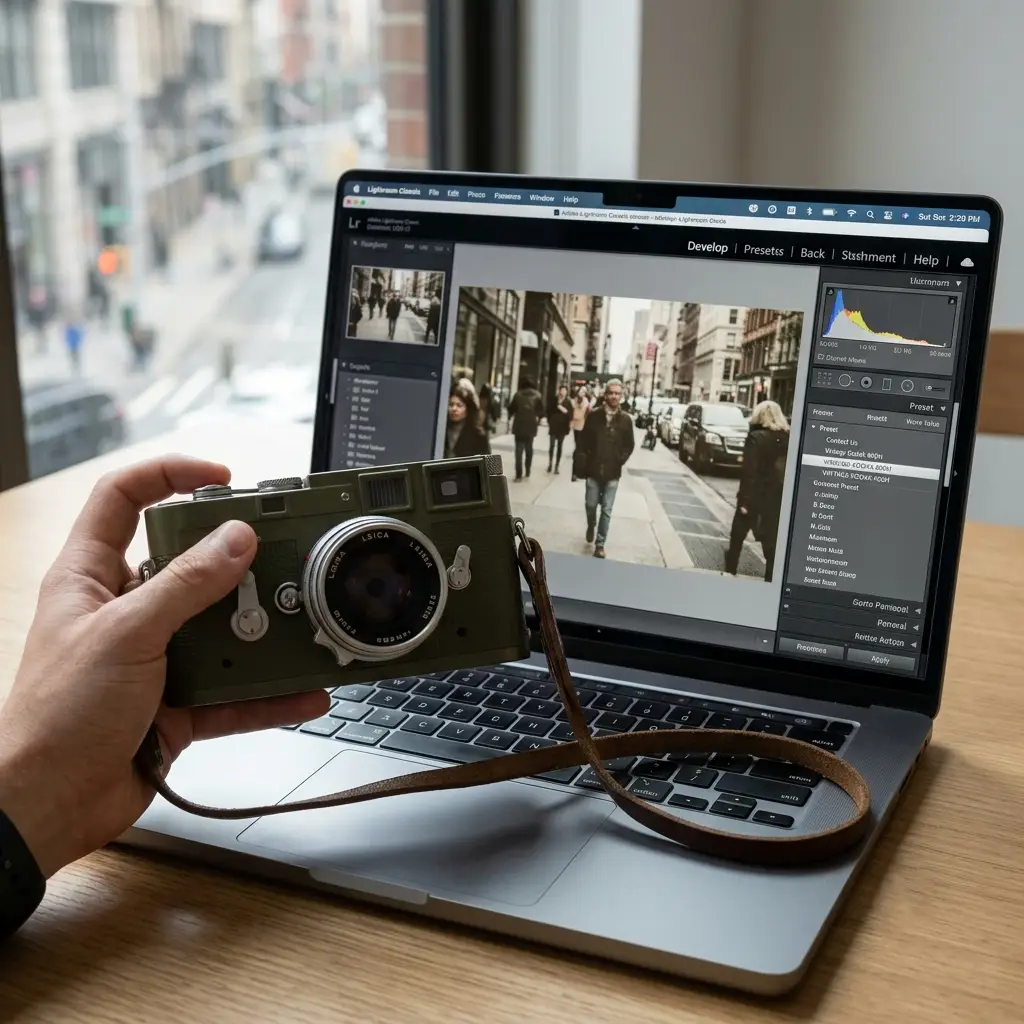
A vintage Lightroom preset is a saved collection of adjustments that mimics the look of old film photography. It usually involves muted colors, sepia tones, faded blacks, soft highlights, and added grain. In simple these presets makes your workflow faster and smoother with one click and also it adds emotions and feelings.
Why Vintage?
Vintage aesthetics is loved by users because of its easy use and full control. It is used in a single shot without timing-consuming, making the workflow faster. Many users have found vintage presets very useful because of their performance, and love to explore them among all digital platforms like Facebook, Instagram, and other popular platforms to ensure it is best for weddings and other ceremonies.
Getting Started with Lightroom
Lightroom Versions to Consider
You can create presets using Adobe Lightroom Classic (desktop) or Lightroom Mobile. Advance editing is supported by both versions but in comparison desktop is in more control and faster. If you’re working across devices, consider the cross-platform preset usage of Lightroom Cloud syncing.
Importing Your Photos
Images with lighting for best result can be exported with high-resolution. Start with RAW files if possible, they give you the most flexibility in adjustments.
Key Editing Tools for Vintage Look
Tone Curve
you can bring changes in images as you want like black shade can be converted bit to white with beautiful results.
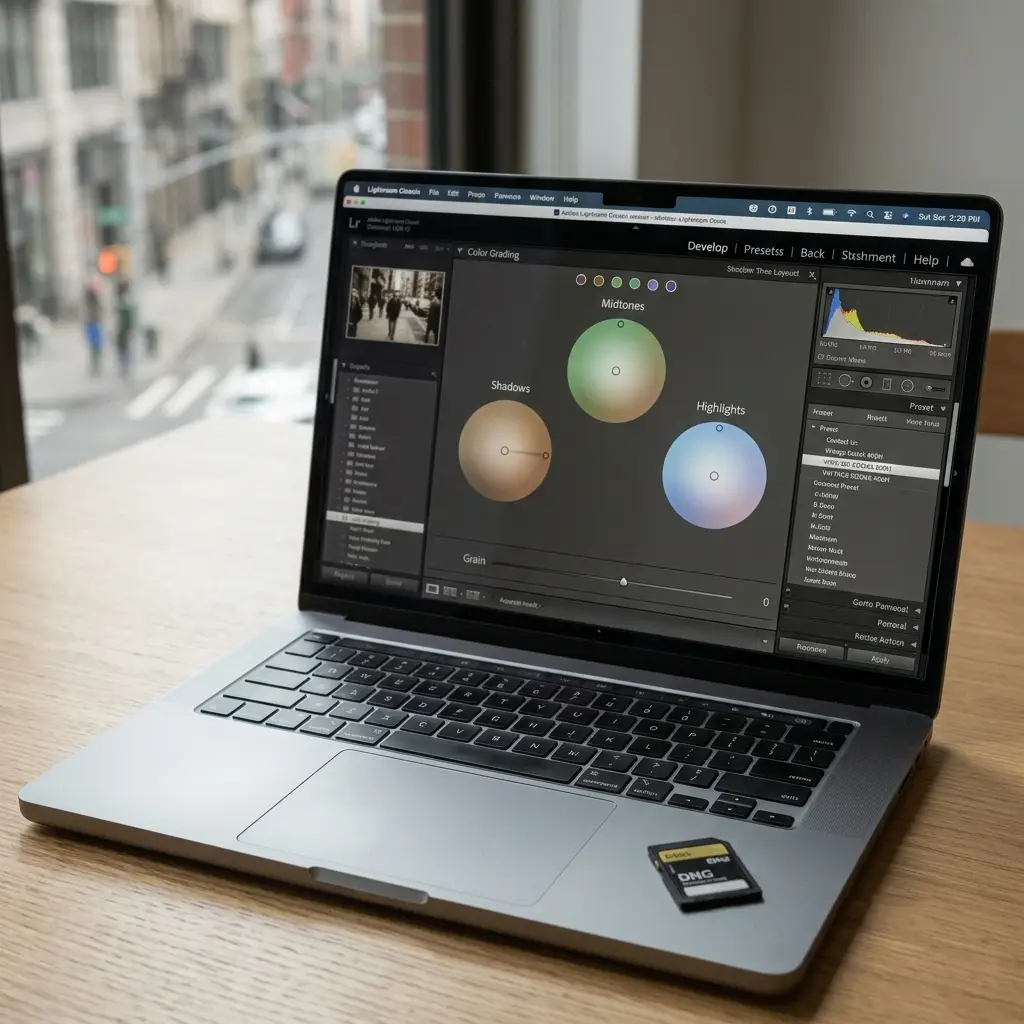
Color Grading
toning can be shifted from black to white and blue to green as you want if one color is too much you can adjust it by adding other color to feel it like real image.
Grain & Texture
A slight grain effect adds authenticity. Keep it subtle; too much grain can overpower details. Lower clarity and texture slightly for a softer, aged finish.
Creating Your First Vintage Preset
Step-by-Step Guide
1. Open Lightroom and choose a photo.
2. Make your desired adjustments using the tools above.
3. Once satisfied, click “Create Preset.”
4. Name it and choose which settings to include.
5. Your made presets can be saved to groups of “Vintage.”
Tips for Consistency
Create a few versions with different lighting conditions. This ensures that your preset works across various photos, achieving consistent and professional results.
Testing and Refining Your Preset
How to Test Effectively
Apply your preset to different types of photos, portraits, landscapes, and urban scenes, to ensure it adapts well. Minor tweaks may be needed for brightness or white balance.
Adjustments to Watch For
Avoid overly yellow tones or excessive fading. Balance warmth and shadows to preserve detail. Compare your preset against original vintage film photos for guidance.
Saving and Exporting Presets
Saving for Desktop
Click on “Presets” panel > “Create Preset” and check all boxes related to the edits you’ve made. Name your preset and save it under a custom group for easy access.
How to Install Presets in Lightroom Mobile
To install presets in Lightroom Mobile, import the DNG preset file, open it, and tap the three-dot menu > “Create Preset.” This makes it usable on your phone.
Cross-Platform Vintage Preset Usability
Presets can be used seamlessly across desktop and mobile. let it be clear and confirm to connect your Lightroom to creative cloud for better performance without your presets be lost.
Sharing Your Presets
Exporting and Sharing
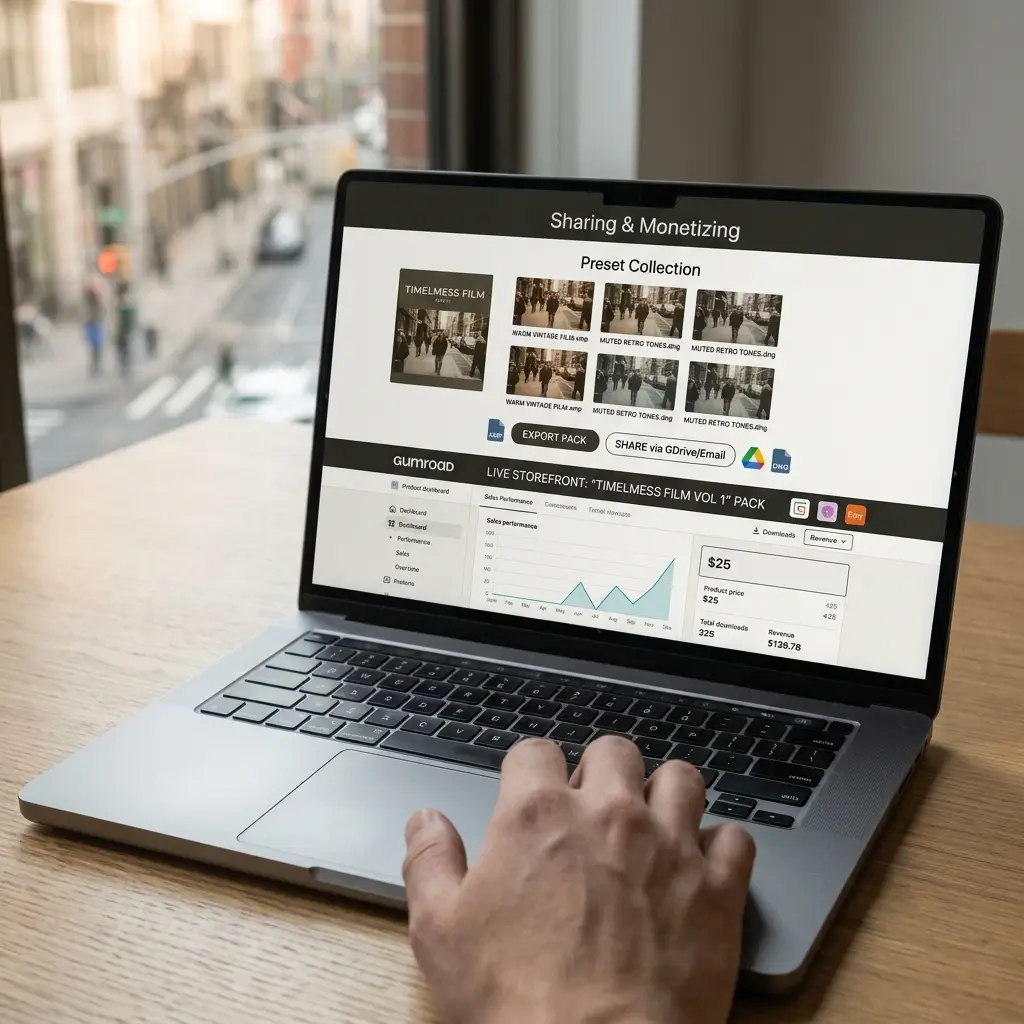
presets can be saved in desktop in form of XAM and in mobile in form of DNG. These can be shared via email, Google Drive, or preset platforms like FilterGrade or Creative Market.
Best Practices for Naming and Branding
Use specific names like “Warm Vintage Film” or “Muted Retro Tones.” Include example photos for each preset to showcase its effect. Make your branding memorable and consistent. LIghtroommodapk.com
Using Free Vintage Presets
Where to Find Free Lightroom Vintage Presets
Websites like PresetLove, Photonify, and CreativeTacos offer free Lightroom vintage presets that you can download and try before creating your own.
How to Customize Free Presets
Presets can be downloaded and with some changes you can mix your thought and tone put it in your favorite presets. This is a great way to learn what works before building your signature look.
Monetizing Your Presets
Can You Sell Presets?
Yes, absolutely! Many creators monetize Lightroom presets by selling them via Etsy, Gumroad, Sellfy, or their websites.
How to Monetize Lightroom Presets Online
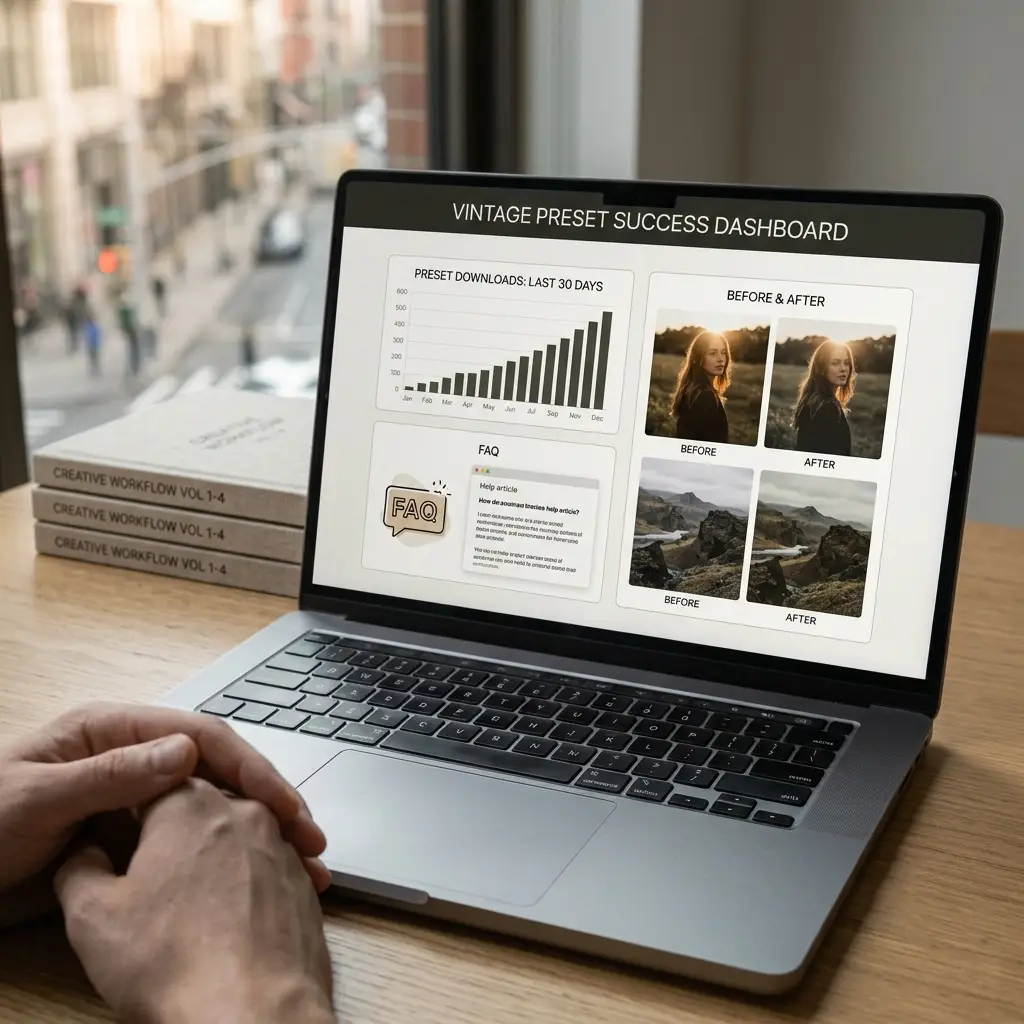
Bundle 5–10 of your best presets with preview images. Offer a before-and-after display to showcase the impact. Market them through your Instagram, blog, or YouTube. This is one of the best ways to improve Lightroom editing skills vintage while generating income.
FAQs
Can I Use Vintage Presets in Lightroom Mobile?
Yes. You can install Lightroom preset on mobile phone using a DNG file. Once imported, save it as a preset for repeated use.
Are There Free Vintage Lightroom Presets?
Yes, many sites offer free Lightroom vintage presets to download. You can use them as-is or customize them to suit your creative taste.
Do Vintage Presets Work on All Photos?
Mostly, yes. But some images may need minor adjustments for lighting or skin tones. Testing helps determine how universally a preset performs.
What’s the Difference Between Vintage and Retro Styles?
The difference between retro and vintage photo presets is subtle. Vintage styles mimic true film photography, warm, muted, and soft. Retro tends to be more colourful and stylized.
Can I Sell My Vintage Lightroom Presets?
Yes. You can package your custom presets and sell them. Just be sure to include proper instructions and previews for users.
Conclusion
Vintage Lightroom presets open up a world of creativity, emotion, and visual storytelling. Throughout this guide, you’ve learned everything from building your first preset to sharing it and even selling it online. The key to mastering vintage photo editing is experimentation no one preset fits all. Play with tone curves, add grain, adjust warmth, and trust your eye. Let your edits reflect your personality. Whether you’re doing it for fun or for profit, keep pushing your Lightroom skills improvement forward. This journey isn’t just about presets, it’s about expressing nostalgia, beauty, and timelessness. With practice, patience, and a bit of creative editing inspiration, you’ll soon master vintage aesthetic Lightroom workflow like a pro. Lightroomproapk.com
Summary: It is really easy and is used wisely by many creators to reduce their editing time and also get better results with editing.
